The EDM Scene in 2026: Festivals, Culture, and Community
The EDM Scene in 2026: Festivals, Culture, and Community
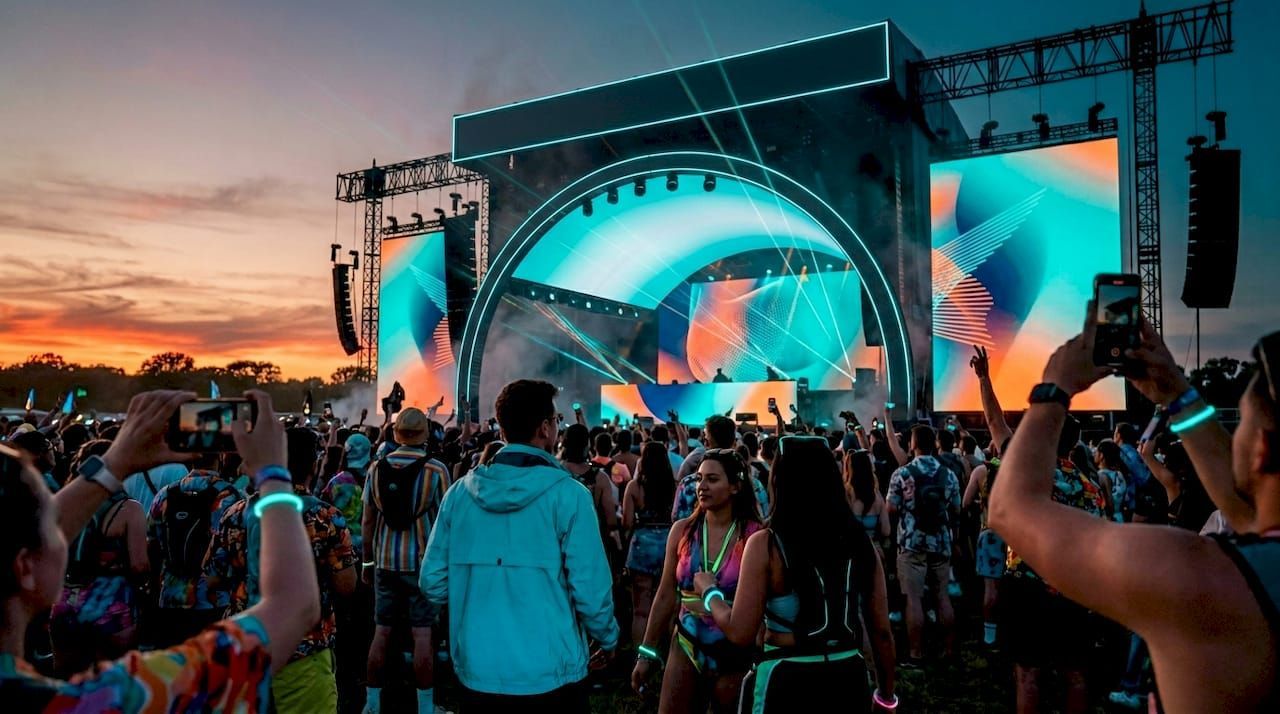
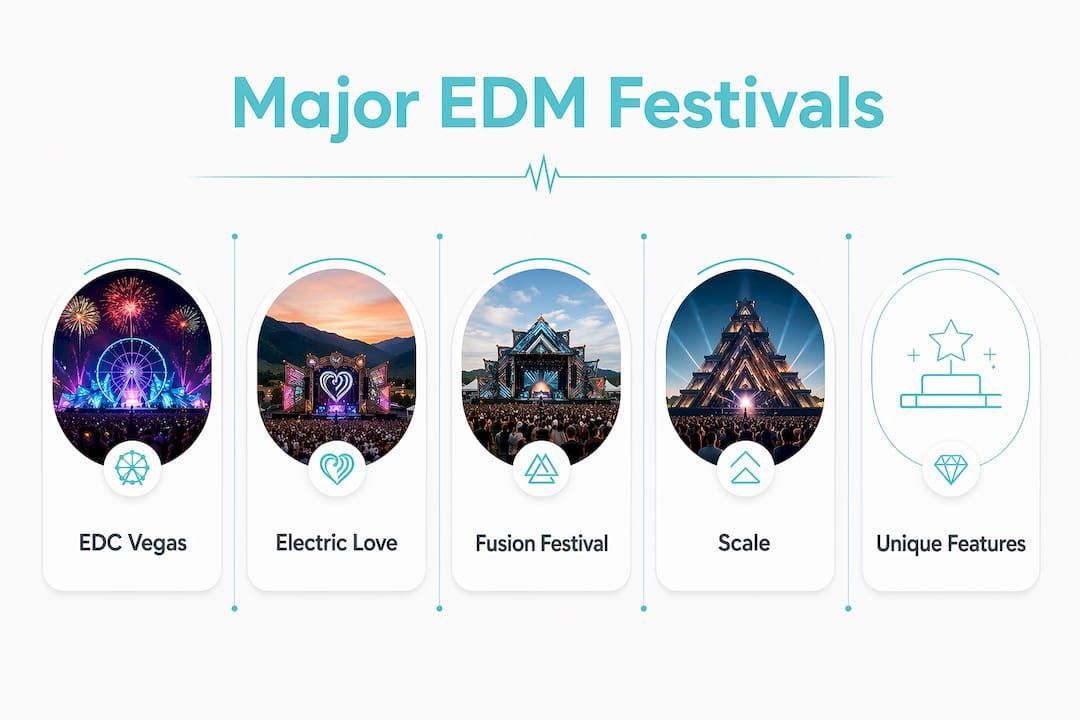
The EDM scene is the global ecosystem of electronic dance music encompassing genres from house and techno to drum and bass, built around festivals, clubs, digital platforms, and a community-driven culture that gives the music its identity. The global electronic music industry reached $15.1 billion in 2025, growing 7% year-on-year. That number reflects more than streaming revenue. It reflects sold-out festival grounds, packed warehouse raves, and millions of fans who treat electronic music as a lifestyle rather than a genre. Flagship events like Electric Daisy Carnival and Electric Love Festival sit at one end of the spectrum. Underground gatherings like Fusion Festival sit at the other. Between them lies a culture held together by shared values, rituals, and an unshakeable sense of belonging.
What are the major EDM festivals and their roles in the scene?
Festivals are the physical heartbeat of the EDM scene. They are where trends get tested, artists get discovered, and communities get built face to face. The scale of these events in 2026 makes clear that electronic music culture has moved far beyond its underground origins.
EDC Las Vegas drew more than 500,000 attendees in May 2026, marking a 30-year evolution from underground rave to flagship festival. That attendance figure puts it among the largest music events on earth, and it signals how deeply EDM has embedded itself in mainstream entertainment. EDC operates across multiple themed stages, each targeting a different corner of the genre spectrum, from trance and progressive house to bass music and techno. The result is a festival that functions less like a single concert and more like a city built around sound.
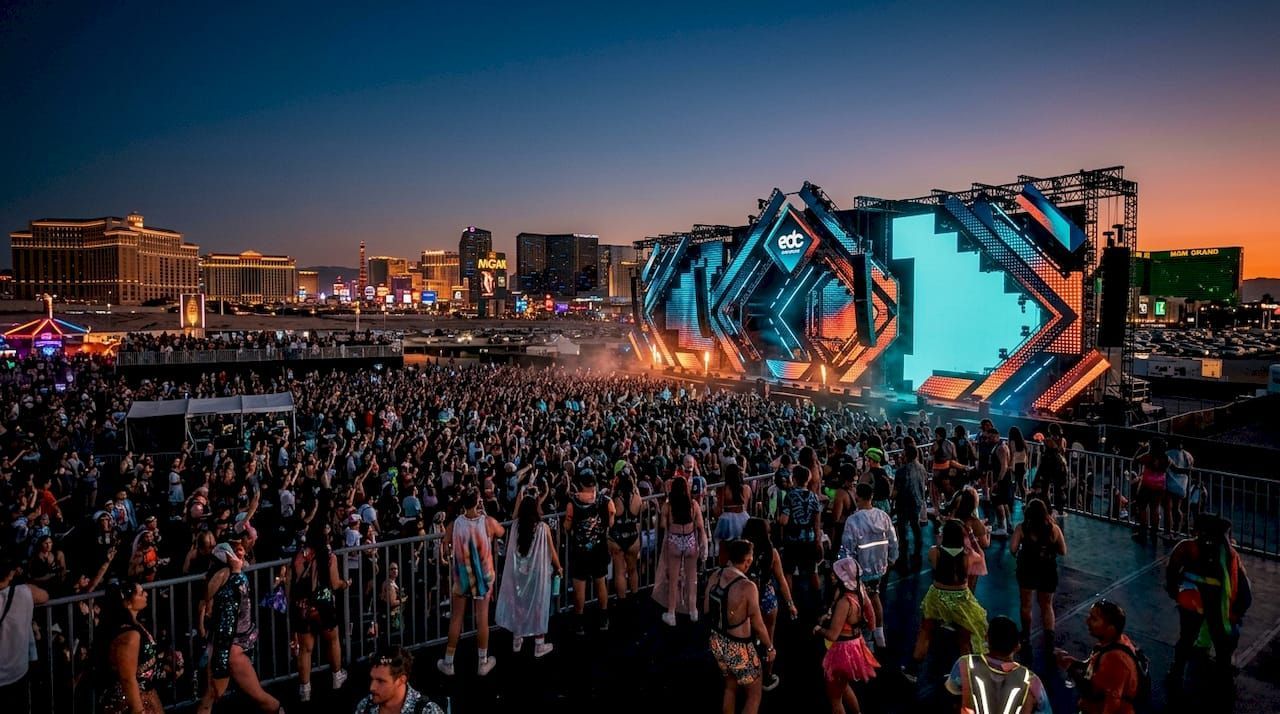
Electric Love Festival in Austria attracted 180,000 visitors from 70+ nations with 200+ artists across 7 stages in July 2026. The lineup included dedicated stages for Hard Techno and Club Circus programming, giving genre-specific fans a focused experience within a larger event. That kind of stage curation matters because it lets a festival serve both casual attendees and serious genre enthusiasts at the same time.
Not every major festival chases scale. Fusion Festival 2026 in Germany hosts roughly 70,000 attendees with no commercial sponsors, no VIP areas, and a ticket distribution system built around community access. Camping is mandatory. The programming focuses on non-commercial, diverse electronic sounds. Fusion represents the underground end of the best EDM festivals spectrum, where the culture is the product rather than the headliner.
| Festival | Location | Scale | Defining Feature |
|---|---|---|---|
| EDC Las Vegas | Nevada, USA | 500,000+ attendees | 30-year legacy, multi-stage mainstream |
| Electric Love Festival | Austria | 180,000 from 70+ nations | 7 genre-specific stages |
| Fusion Festival | Germany | ~70,000 attendees | No sponsors, no VIP, community access |
Pro Tip: Before buying a festival ticket, map out the stage lineup by genre rather than just the headliners. At Electric Love, the Club Circus stage consistently delivers sets that the main stage never books. The best experience often lives one stage over from where the crowd is largest.
How do emerging artists influence and get discovered in the EDM scene?
Emerging artists are the engine of the EDM scene's long-term vitality. Without them, festivals become nostalgia tours and the music stops moving forward. The challenge for fans is knowing where to look.
Portola Music Festival discovery guidance points directly at smaller stages and specific time slots as the most reliable way to find breakthrough talent. Artists like Ninajirachi, Sara Landry, and Mochakk appeared in 2026 lineups precisely because smaller stages gave them room to test new ideas with engaged audiences. Main stages reward recognition. Smaller stages reward discovery.
Timing matters as much as location. Mid-afternoon slots at festivals tend to feature experimental artists who are building momentum rather than cashing in on it. Late-night underground slots follow a similar logic, where promoters book artists who have earned credibility within the scene rather than outside it. Showing up for those sets, even when the crowd is thin, is how serious fans stay ahead of the curve.
Digital platforms have extended this discovery process beyond festival grounds. TikTok electronic music creations were up 50% and SoundCloud DJ set uploads increased 39% in 2025. Those numbers mean that an artist who plays a breakthrough set at Portola on Saturday can have that set circulating globally by Monday. The digital and live ecosystems now feed each other in real time.
Here are the most effective ways to discover and support emerging EDM artists:
- Check smaller stages first. At any multi-stage festival, the second and third stages carry the most discovery potential per set.
- Follow SoundCloud DJ upload feeds. A 39% increase in uploads means there is more quality content available than ever, but it requires active searching.
- Use festival apps for set time alerts. Most major festival apps now include artist bio links and genre tags that help you filter by sound rather than name recognition.
- Talk to local fans and regulars. The person next to you at a warehouse event often knows the next six months of local bookings before they go public.
- Track artist collaborations. When an established artist releases a track with an unknown name, that unknown name is worth investigating immediately.
Pro Tip: Follow the social media accounts of artists you already love and watch who they repost. EDM artist collaborations are one of the clearest signals that an emerging act has been vetted by someone with taste.
What is PLUR culture and how does it shape social interactions in the EDM community?
PLUR is defined as Peace, Love, Unity, and Respect. It functions as a social contract within the EDM community, setting behavioral expectations that make large, anonymous gatherings feel personal and safe. PLUR culture creates trust and reduces social friction at raves and festivals, which is a meaningful achievement when you consider that these events bring together tens of thousands of strangers in high-energy environments.
The most visible expression of PLUR is the Kandi bracelet exchange. Kandi are beaded bracelets that ravers trade with each other through a specific hand ritual involving a sequence of gestures representing each letter of PLUR. The exchange is not just a transaction. It is a declaration of mutual respect between two people who may never meet again. Each bracelet carries the memory of a specific moment and a specific person, turning a piece of plastic beadwork into a personal archive of community connections.
"PLUR isn't a slogan. It's a set of micro-rituals that lower the social cost of connecting with a stranger. That's why it has lasted decades while other scene trends have come and gone."
The psychological function of PLUR is worth taking seriously. Shared rituals create in-group identity and signal trustworthiness without requiring prior relationship. At a festival with 500,000 people, that kind of social shorthand is genuinely useful. It explains why the rave scene has maintained its community character even as it has scaled to stadium size.
PLUR also connects directly to the resilience of the rave scene as a cultural force. Fandom and scenes are the secret superpower of electronic music's growth, not just streaming numbers. PLUR is the mechanism that converts casual attendees into committed community members. Once someone has exchanged Kandi with a stranger at 3 a.m. and felt the genuine warmth of that interaction, they are not just a fan of the music. They are part of the culture.
How can newcomers join and actively participate in the EDM community?
Joining the EDM community is less about credentials and more about showing up with the right attitude. The scene rewards curiosity, consistency, and genuine engagement over any particular background or prior knowledge.
Here is a practical sequence for getting started:
- Attend a local community event before a major festival. Local DJ collectives and multi-genre community events build thriving scenes by offering diverse lineups rather than single-headliner shows. Starting locally gives you context that makes large festivals more meaningful.
- Seek out multi-genre lineups. A night that moves from deep house to techno to drum and bass teaches you more about the scene's range than a single-genre event. Genre fluency is how you find your specific corner of the culture.
- Download festival apps and join social media groups before the event. Most major festivals have active Facebook groups and Discord servers where attendees share set recommendations, meetup plans, and scene etiquette tips weeks before the gates open.
- Learn basic scene etiquette. Respect personal space on the dance floor. Do not talk loudly during sets. If someone offers you Kandi, accept it graciously and learn the exchange ritual. These small behaviors signal that you understand the culture.
- Support emerging artists directly. Buy tracks on Bandcamp. Follow artists on SoundCloud. Share sets you love. The impact of EDM on music at a cultural level depends on fans who do more than stream passively.
- Explore new venue formats. Initiatives like Club Darc , the EDM concert series launched by Goldenvoice and the San Francisco Giants at Pier 48 in 2026, show how the scene is expanding into unexpected spaces. Warehouse conversions and non-traditional venues often carry the most interesting programming.
The most important step is simply showing up repeatedly. Community membership in the EDM world is earned through presence and participation, not through any single transformative experience.
Key takeaways
The EDM scene thrives because it combines world-scale festivals, underground community events, digital discovery tools, and a shared cultural code in PLUR that converts strangers into community members.
| Point | Details |
|---|---|
| Festival scale and variety | EDC Las Vegas, Electric Love, and Fusion each serve different parts of the scene, from 500,000-person mainstream events to sponsor-free underground gatherings. |
| Emerging artist discovery | Smaller festival stages and mid-afternoon or late-night slots are the most reliable places to find breakthrough artists before they headline. |
| PLUR as social infrastructure | Peace, Love, Unity, and Respect functions as a behavioral contract that makes large anonymous events feel personal and safe. |
| Digital and live ecosystems | TikTok and SoundCloud growth of 50% and 39% respectively means discovery now happens online and offline simultaneously. |
| Community entry points | Starting with local DJ collectives and multi-genre events builds scene literacy faster than jumping straight to major festivals. |
Why the EDM scene rewards patience more than hype
I have spent years inside this culture, and the single biggest mistake I see new fans make is treating the EDM scene like a highlight reel. They show up for the headliner, leave before the closing set, and miss the actual substance of what makes this world worth caring about.
The underground and the mainstream are not enemies in this scene. They are in constant conversation. EDC Las Vegas exists because of the warehouse raves that preceded it by decades. Fusion Festival exists as a deliberate counterweight to commercialization, and both are necessary. The tension between them is what keeps the music honest.
PLUR gets dismissed as naive by people who have never actually experienced it in practice. What I have found is that the ritual works precisely because it is slightly awkward and deliberate. You cannot exchange Kandi on autopilot. The interaction forces a moment of genuine attention between two people, and that is rare at any scale of event.
My honest advice for anyone entering this world: go to the smaller stage. Stay for the closing set. Talk to the person next to you. The music at 100kotton is built on this same philosophy, where every track is designed to create a moment of genuine connection rather than background noise. The scene rewards the people who pay attention.
— Kotton
Explore electronic music culture with 100kotton
The EDM scene is best experienced with a soundtrack that matches its depth. 100kotton delivers exactly that through two hours of original deep vocal house tracks, both released and unreleased, built for environments where the music deserves to be heard rather than ignored. Whether you are preparing for a festival weekend, recovering from one, or building a playlist for a gathering that needs the right energy, 100kotton's curated mixes give you a direct line into the emotional core of electronic music culture. The tracks are not background noise. They are the kind of music that makes you stop what you are doing and actually listen. Visit 100kotton.com to explore the full catalog and find your next favorite set.
FAQ
What is the EDM scene?
The EDM scene is the global community built around electronic dance music, encompassing genres like house, techno, trance, and drum and bass, along with festivals, clubs, digital platforms, and cultural practices like PLUR. It spans both mainstream events with hundreds of thousands of attendees and underground gatherings with no commercial sponsors.
What are the best EDM festivals in 2026?
EDC Las Vegas, Electric Love Festival in Austria, and Fusion Festival in Germany represent three distinct tiers of the festival spectrum in 2026, from 500,000-person mainstream events to community-access underground gatherings. Each serves a different part of the scene and offers a different cultural experience.
How do I join the EDM community as a newcomer?
Start by attending local DJ collective events and multi-genre nights before committing to a major festival. Learning scene etiquette, engaging with festival apps and social media groups, and supporting emerging artists on platforms like SoundCloud and Bandcamp are the fastest ways to build genuine community membership.
What does PLUR mean in EDM culture?
PLUR stands for Peace, Love, Unity, and Respect. It is a social code that governs behavior at raves and festivals, expressed through rituals like the Kandi bracelet exchange, and it functions to build trust and reduce social friction between strangers at large events.
How can I discover emerging EDM artists?
Prioritize smaller stages at festivals like Portola, attend mid-afternoon and late-night sets, and follow SoundCloud DJ upload feeds regularly. Tracking EDM artist collaborations on social media is also a reliable signal that an emerging act has been recognized by established names in the scene.